
Pre-Pro to Show Site – What Happens Behind the Scenes
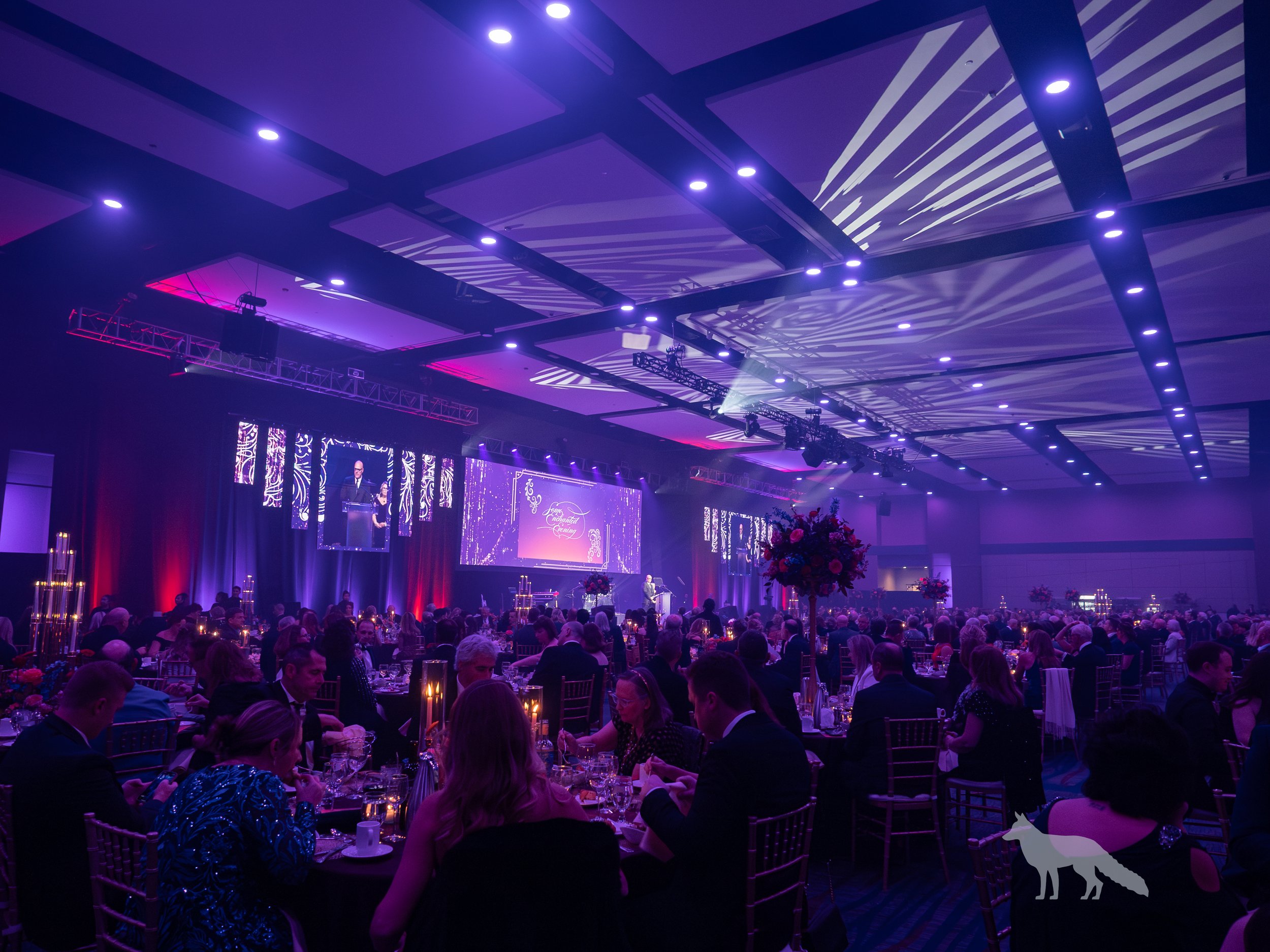
Live event planning doesn’t happen overnight. Before the stage lights turn on and the microphones go live, AV teams are hard at work behind the scenes. Here’s what planners should know about the process and why starting early makes all the difference.
Step 1: The Initial Meeting
It starts with a conversation. Your AV account manager will NOT ONLY ask for event details like dates, venue, and city, but also your budget and event goals. Sharing this information upfront helps your AV partner design a setup that fits your needs and offers creative options.
Step 2: Creative Design, Budgeting, and PlANNING
Once goals are clear, the AV event designer creates layouts and stage designs. These can range from simple two-screen setups to custom scenic builds. After designs and renders are approved, the technical specialists’ step in. Lighting, AUDIO, and video cues are programmed to match your event flow. The video team works with client content, editing or creating screen visuals as needed. The production manager oversees timelines and keeps all departments aligned and a run of show is created.
Step 3: Gear Prep, Load-In and Setup
Before anything arrives on site, equipment is tested, packed, and loaded into trucks. This step ensures everything works as expected and is ready for transport. On-site, the crew builds the stage, installs lighting, runs cables, and sets up audio and video systems. Rigging and power coordination happen in partnership with the venue.
Step 4: Rehearsals
Audio checks, lighting cues, and video rolls are tested. Presenters rehearse, and timing adjustments are made to keep everything smooth. changes are made as needed, event teams are well adapted to going with the flow when needed.
Step 5: Show Time
It’s go time! The AV team manages transitions, monitors systems, and troubleshoots in real time. Behind the scenes, the production manager and show caller keep the program on track.
Step 6: Load-Out and post show reviews
After the event, gear is packed and returned to the shop. The team reviews notes for future improvements and everything is transitioned on to the next event! It’s also time for the event teams to meet and review show notes for improvements, what went well and ideas for next year. It’s always best to get next round of planning on the books asap!
Why Pre-Planning Your Event Matters
The earlier you start planning, the smoother your event will be. Pre-planning gives you time to work through logistics with your AV team and secure the best technicians, gear, and pricing. AV crews often book months or even years ahead, and last-minute changes can lead to higher costs for freight and equipment. Starting early means more options, fewer surprises, and a better overall experience for your attendees.
What Early Planning Helps You Avoid:
Limited availability of AV teams and specialized gear
Increased freight and rush shipping costs
Compressed timelines that create stress for your team
Are you planning an event?
let’s talk through your event PLAN AND GET AHEAD, Book a time to chat with us!