
AV Budgeting for Corporate Events: What You Are Really Paying For
When a corporate event budget starts to tighten, AV is often the line-item people squint at first. That usually happens because AV touches almost every moment of the show, so it can feel hard to predict until details are locked. Starting with a simple framework makes budgeting clearer, and it helps you spend with intention.
Below is a practical breakdown of the categories most corporate events share, plus a few common “extras” that can move a budget quickly.
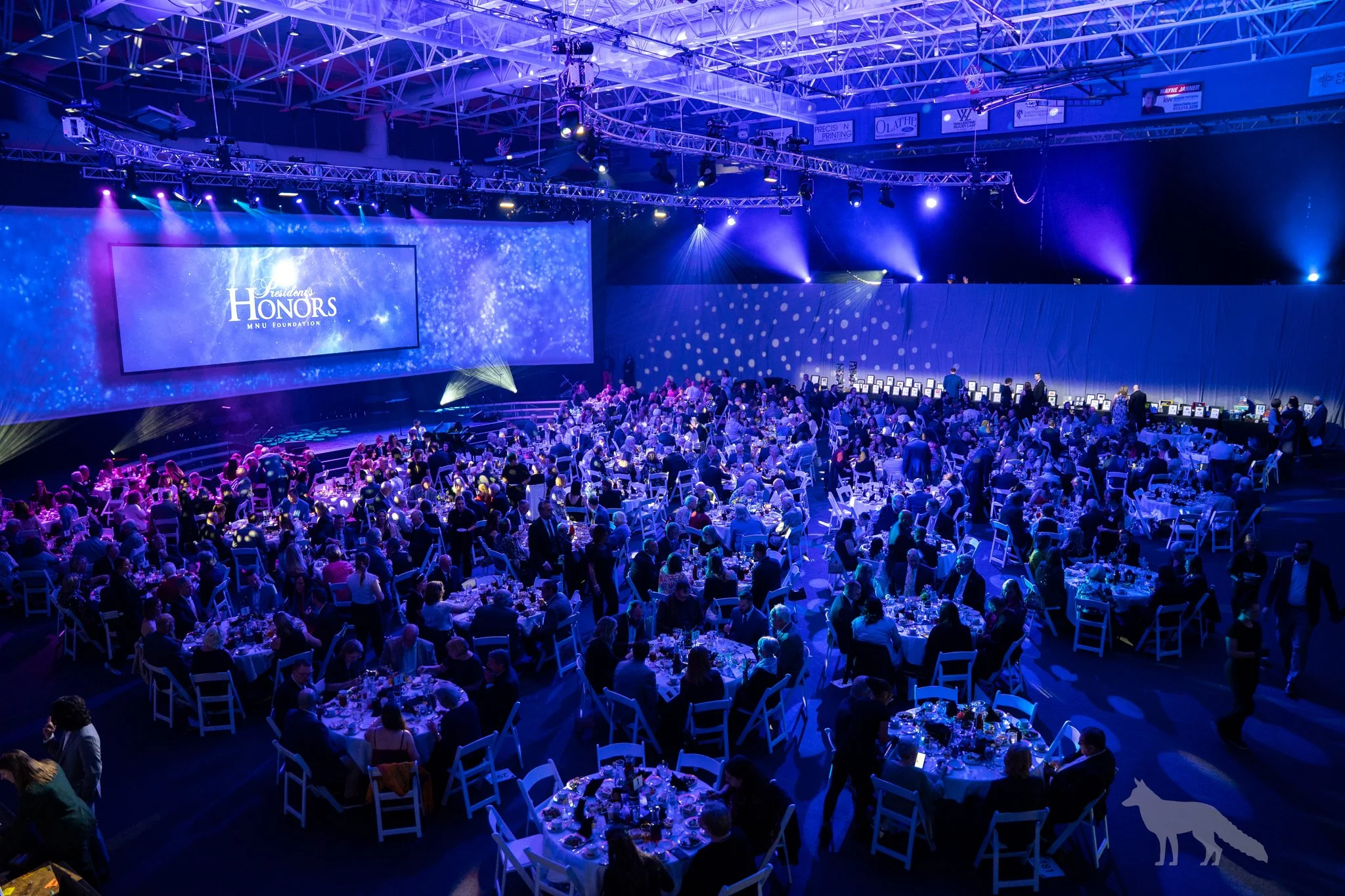
The core AV categories you can plan for every time
Most events have the same foundational buckets. Your numbers change based on scale and show style, and the categories stay consistent.
Audio
Audio is your baseline for communication. It includes the sound system sized for the room, microphones that fit your format, and the support to keep every speaker clear from start to finish. If your agenda includes panels, audience Q and A, walk-up music, or video playback with sound, audio planning becomes even more important because those details drive both gear and staffing.
Video
Video can be projection, LED, or a mix, and it often includes screens, switchers, playback, confidence monitors, and presenter support. The real budget driver here is how much content you have, how detailed it is, and how visible it needs to be across the room. Audience size and content detail influence display decisions, so it helps to talk through both early instead of guessing screen size first.
Lighting
Lighting is more than “make it bright.” Most corporate events need a basic stage wash so speakers look professional on stage, and many planners also want brand color in the room through uplighting or focused accents. Custom elements can be worth it, and they usually require lead time, which matters for cost control.
Scenic
Scenic is the physical environment: staging, soft goods, set pieces, and branded structures. It can be simple and clean, or it can be a major design statement. Either way, it should be budgeted as its own category, so it does not quietly inflate your “AV” number later.
Labor
Labor is needed for all aspects of audio visual set up with positions needed varying based on your show set up. This can change based on your timelines and how quickly you book with your vendor.
Common add-ons that planners often decide later
These add value, and they also add complexity, so they deserve their own line items.
• Video recording for sessions, internal training, or post-event editing
• Live streaming with dedicated internet and a more robust video workflow
• Content support for slide management, formatting, and show-day updates
• Activations like projection mapping, digital signage, and interactive elements
Your AV partner can help you decide what is worth the investment based on the outcomes you are aiming for.
The three cost areas that explain most AV budgets
AV proposals can look different depending on how they are formatted, and the underlying structure is usually the same.
1) Equipment costs
This is the gear itself: audio system, video system, lighting, scenic elements, and any specialty items. Some proposals itemize each piece, and some summarize by system. Either format can work, and you should feel comfortable asking what is included.
2) Labor costs
Labor covers the human side: prep, warehouse time, transport, load-in, setup, show operators, strike, and load-out. It also reflects the schedule you need to meet. Tight turnarounds and limited access windows often require more crew or longer days, so schedule drives labor just as much as show size. Location also matters, it can affect Union requirements and increase costs.
3) Venue and production extras
This bucket catches the items planners do not always expect: power distribution, lifts, rigging, internet, patching into house systems, union requirements in some cities, and venue-specific rules that can limit what you can bring in. These costs vary widely by venue, so they are worth confirming early.
A quick note on in-house AV at hotels and venues
Many hotels have an in-house AV provider, and the rules can vary by property. Your venue contract often spells out what is exclusive, what fees apply if you bring a third-party partner, and what is negotiable. Reviewing that language early gives you options, and it helps you avoid last-minute surprises.
A practical move here is to ask your hotel partner about concessions tied to in-house services and outside providers. You might get flexibility on fees or requirements, and you will only know by asking. Often times your best bet is to bring your AV partner in and have them help negotiate your hotel AV contract.
The most reliable way to save money without hurting the show
If you want cost savings that still protect show quality, the best move is simple: start planning early, and start with an AV partner you trust. Early planning gives you access to the right inventory, realistic labor schedules, and enough time to design efficiently.
When you book late, availability can force more expensive substitutions, and labor often increases because the timeline gets compressed. Submitting your RFP early is one of the most consistent ways to protect both budget and options.
A planner-friendly checklist of questions to ask
Use these questions when you are reviewing a proposal or a venue contract.
• What is included in the system price, and what is optional
• What labor is assumed in the schedule, and what would change that number
• What venue costs should we expect for power, internet, rigging, or patching
• Are there exclusivities, fees, or union requirements that impact staffing
• What decisions require lead time, especially custom scenic or custom lighting elements
If something does not make sense, ask. A good AV partner should be able to explain the “why” in plain language and help you prioritize what matters most for your show.
AV budgeting gets easier when you treat it like a set of categories, then you make choices inside each category based on your event goals.
At Bluefox, we offer comprehensive reviews of your venue contract language or can walk you through an early budget framework.