
Digital Signage at Events: More Than a Sustainability Trend
As event planning continues to evolve, digital signage has moved far beyond being a replacement for printed schedules and wayfinding signs. Heading into 2026, planners are using screens as a core part of the attendee experience, blending sustainability, storytelling, sponsor value, and flexibility into one tool.
Below is a closer look at how digital signage is being used today, why it matters, and how planners can make the most of it.
Sustainability Is Driving the Shift — But It’s Not the Only Reason
Digital signage significantly reduces the need for printed materials that often become outdated or discarded mid-event. Schedule changes, speaker swaps, and room updates can be made instantly without reprinting anything.
Beyond the environmental benefits, this flexibility saves time, reduces stress onsite, and keeps messaging accurate throughout the event.
Digital Signage Is Becoming Part of the Event Design
While digital signage isn’t new, how it’s being used has changed.
Planners are now using screens to:
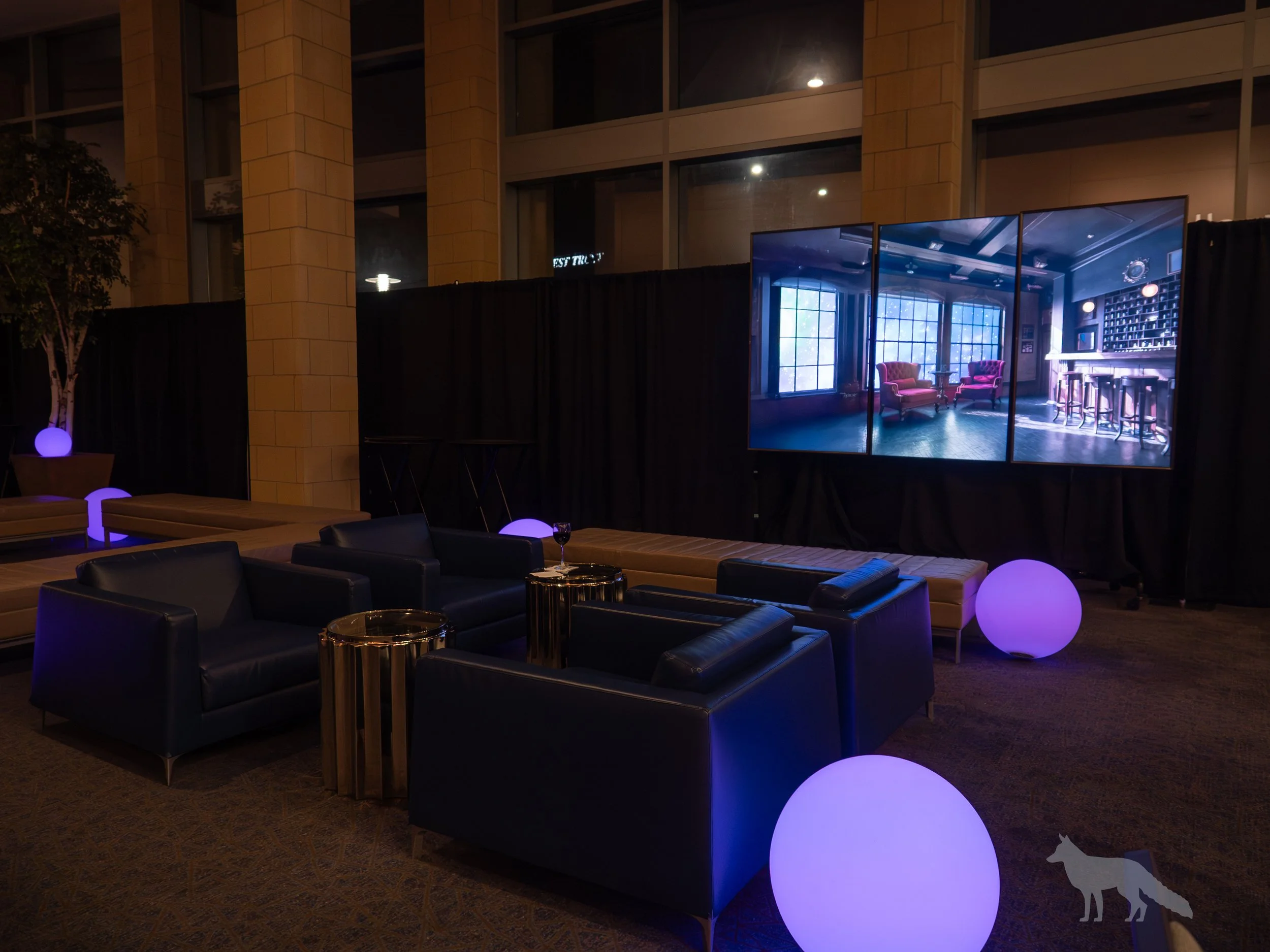
Transform lobby and registration areas with scenic visuals that set the tone upon arrival
Create branded environments that feel intentional rather than purely functional
Tell a story visually, instead of relying on static signage
Large-format displays, LED walls, and strategically placed screens are being designed into the floor plan from the start, not added as an afterthought.
Sponsorship Opportunities That Feel Natural
One of the biggest shifts we’re seeing is how digital signage is supporting sponsors.
Instead of logos living quietly on printed signs, sponsors are being integrated into:
Scenic digital backdrops
Rotating on-screen features throughout the day
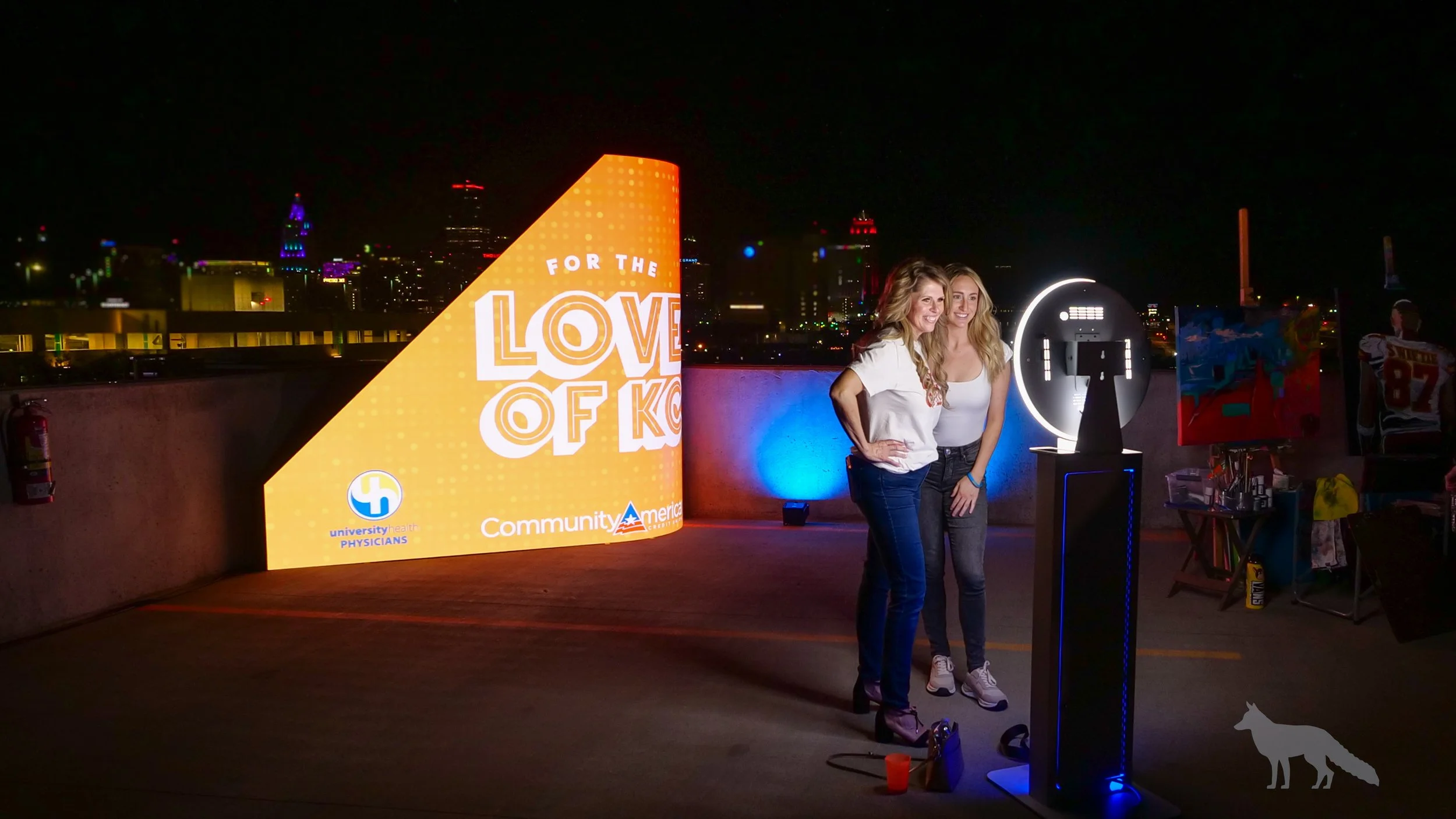
Interactive LED wall activations
Photo moments that attendees actually want to engage with
A great example from this year was a photobooth station paired with a custom-branded LED wall backdrop. It created a shareable moment for attendees while giving sponsors real visibility, without feeling forced.
Expect to see more of this in 2026 as planners look for fresh ways to activate sponsorships and provide measurable value.
Signage Beyond Wayfinding and Agendas
Another growing trend is using digital signage throughout the event, not just at entrances or session rooms.
Planners are placing screens in:
Networking lounges
Cocktail hours
Pre-function spaces
Fundraising areas
Content can include educational messaging, event highlights, sponsor stories, live social feeds, or real-time fundraising progress. These placements keep attendees engaged during transition moments that are often overlooked.
Planning Tips for Effective Digital Signage
To get the most out of digital signage, planning early is key. Here are a few best practices planners sometimes miss:
1. Start With Clear Goals
Before designing content, ask:
What do we want attendees to notice or remember?
What information needs to be reinforced throughout the day?
Where do sponsors naturally fit into the experience?
Clear goals help prevent screens from becoming visual clutter.
2. Design for the Viewing Distance
Content should be created specifically for where the screen is placed. Large headlines, minimal text, and strong visuals work best, especially in high-traffic areas.
3. Keep Content Simple and Rotating
Avoid trying to say everything on one screen. Rotating content allows you to highlight key points without overwhelming attendees.
4. Plan for Updates
Build time into the schedule for content changes. Speaker swaps, timing shifts, and sponsor updates happen — digital signage works best when there’s a plan to manage updates quickly.
5. Coordinate Across All Screens
Consistency matters. When signage visuals align with stage content, scenic design, and printed materials that still exist, the event feels more cohesive and intentional.
6. Involve Your AV Team Early
Your AV team can help with:
Screen placement strategy
Content formatting and resolution
Creative brainstorming for activations
Managing signage during the event
When AV is involved early, signage becomes part of the experience rather than a last-minute task.
Looking Ahead
Digital signage will continue to play a bigger role in how events communicate, engage, and adapt in real time. As planners balance sustainability goals with attendee experience and sponsor expectations, screens offer a flexible solution that can evolve throughout the event.
When planned intentionally, digital signage doesn’t just replace print, it enhances the entire environment.
At Bluefox, we offer digital signage packages that include screen management and content creation, helping planners turn signage into a seamless part of their event design.